Aug 2026 · 4 min read
What Shipping Many Flutter Apps Taught Me About On-Device Work, Honest Offline, and Thin Clients
Flutter is how I ship. The interesting part isn’t widgets — it’s the product bets that keep repeating: on-device compute, honest fallbacks, and thin clients for heavy backends.
- flutter
- mobile
- on-device
- offline-first
- architecture
- local-first
- product-engineering
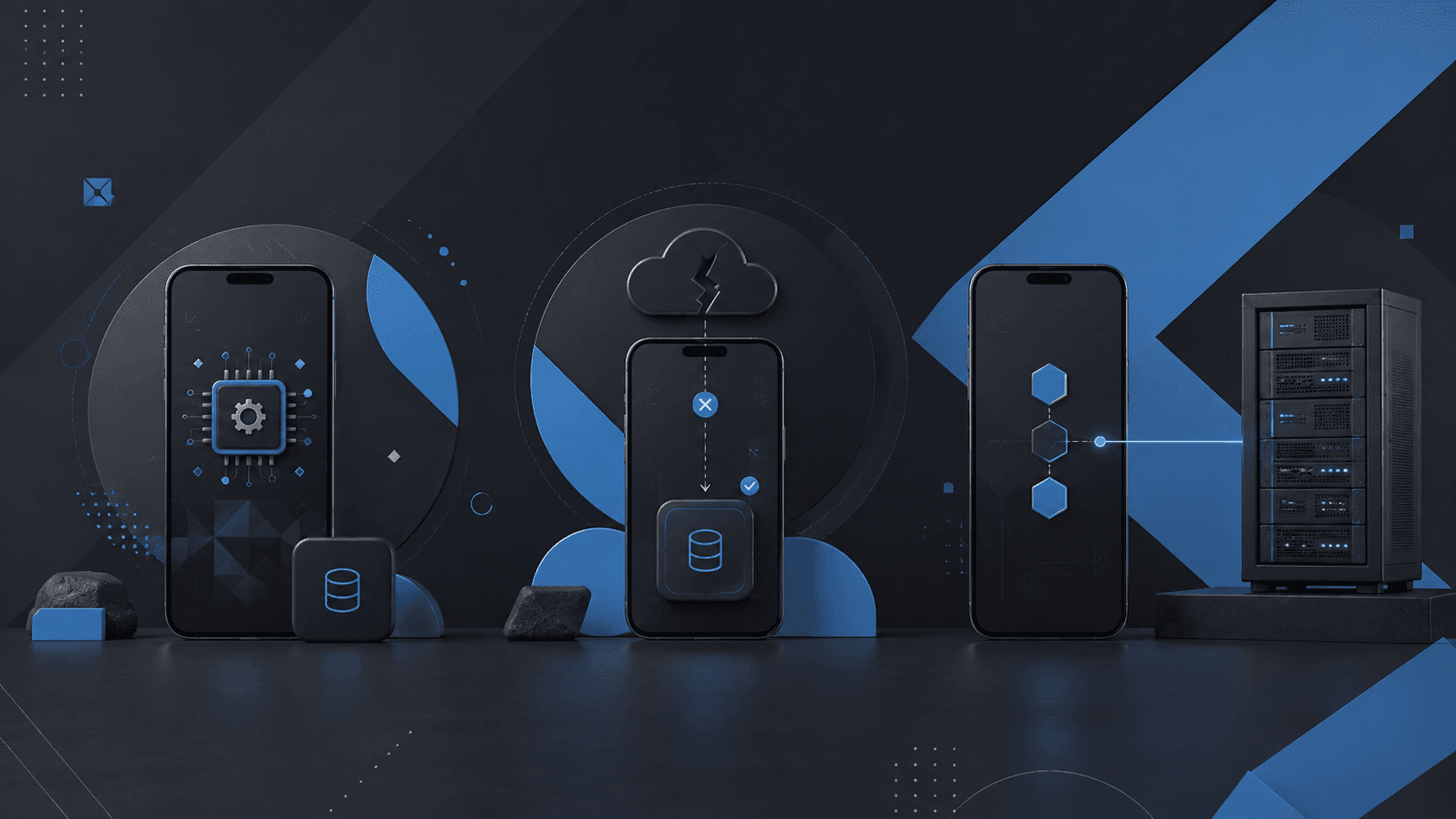
I’ve shipped a lot of Flutter apps: video editing, running coaches, song generation, CAD, document scanning, QR tools, seller campaigns, wallpaper feeds, floor plans, app/website builders, TTS readers, wellness trainers, parenting logs, cycle and pregnancy tracking — plus a Next.js portfolio that isn’t Flutter at all.
The stack stayed familiar. The product bets did not.
This post is the pattern language underneath those apps — what Flutter made easy, and what I had to decide on purpose.
Flutter is a shipping engine, not an architecture
Riverpod or Provider, GoRouter or named routes, Drift or SharedPreferences — those choices matter, but they’re not the essay.
Flutter’s real gift for indie / multi-app work is one UI toolkit that can host very different cores:
- A pure Dart geometry kernel (CAD)
- An FFmpeg export pipeline (video)
- ML Kit OCR (scanner)
- A remote Gradle job poller (app builder)
- A monotonic session engine (wellness)
The framework hosts the product. The domain decides whether the phone is a studio, a vault, or a remote control.
Bet 1 — On-device when trust is the feature
I reach for on-device work when the user would feel betrayed by an upload:
Problem | Why local |
|---|---|
Document OCR / signatures | Pages are private by default |
Video / audio render | Media stays on the device; works offline |
Training / wellness rules | Deterministic, testable, no “AI said so” |
Care logs & reproductive data | Family data shouldn’t need an account to exist |
Flutter + isolates / platform channels / ML Kit / dart:ui is enough to ship real pipelines — if you accept that “on-device” means honest limits (printed OCR ≠ handwriting; wavetable song ≠ studio stem; faceted STEP ≠ NURBS).
The rule I keep writing into UIs: say what the model can’t do in the primary flow, not in a FAQ.
Bet 2 — Offline and demo modes that don’t costume failure
Almost every networked app I ship has a degraded path:
- Local song renderer when the cloud preview is down
- Procedural floor plans when there’s no API key
- Extractive summaries when the chat proxy is unreachable
- Full demo repositories when the build API is offline
The hard rule: only use the dummy path for real outages.
Auth errors, 402s, and misconfigured keys must not silently become “offline AI success.” That pattern showed up in reading and parenting companions: classify the failure before you fall back.
Demo mode is a product feature for reviewers and VPS outages — labeled, exitible, never confused with a real account or a real charge.
Bet 3 — Thin client when the artifact isn’t born on the phone
Some products shouldn’t pretend the phone compiles the world:
- App Builder — template form → remote Gradle → signed APK link
- Website Builder — customize → deploy; HTML parts extracted for surgical edits
Here Flutter shines as an ops console: server-driven forms, job polling, entitlement gates, human error copy (no raw Dio dumps). The phone orchestrates; workers and backends hold secrets and heavy compute.
Same framework. Opposite responsibility split from VidWeave’s local FFmpeg path. That’s fine — architecture follows the artifact.
Cross-cutting craft that kept paying rent
Pure domain, impure edges. Wellness and coaching engines as pure Dart (inject the clock; no DateTime.now() in rules). Plugins behind interfaces with fakes for tests.
Schema over screenshots. Floor plans and builder templates as structured data you can still edit — not a one-shot image from a model.
Locale-safe persistence. Store enum keys, render labels — care logs that survive a language change.
State coverage as a checklist. Loading, empty, offline, permission denied, destructive confirm — especially in fitness and family apps where trust is emotional.
Explainability over vibes. Deterministic adaptive rules and race predictions with ranges beat a chatty model that can’t show its work.
What Flutter still doesn’t forgive
- OEM audio, wallpaper, and TTS quirks need device matrices
- Background timers lie; derive progress from monotonic clocks when sessions matter
pumpAndSettle+ perpetual animations will hang your tests- Cleartext API bases and client-side AI keys are fine for demos — not for the story you tell about production
The essay in one line
Flutter is how I ship surfaces.
On-device / honest offline / thin client is how I choose where truth lives.
If you’re building your next Flutter app, pick that split first. The widget tree will follow.
Tagged
- flutter
- mobile
- on-device
- offline-first
- architecture
- local-first
- product-engineering
More writing
Other notes from the archive.
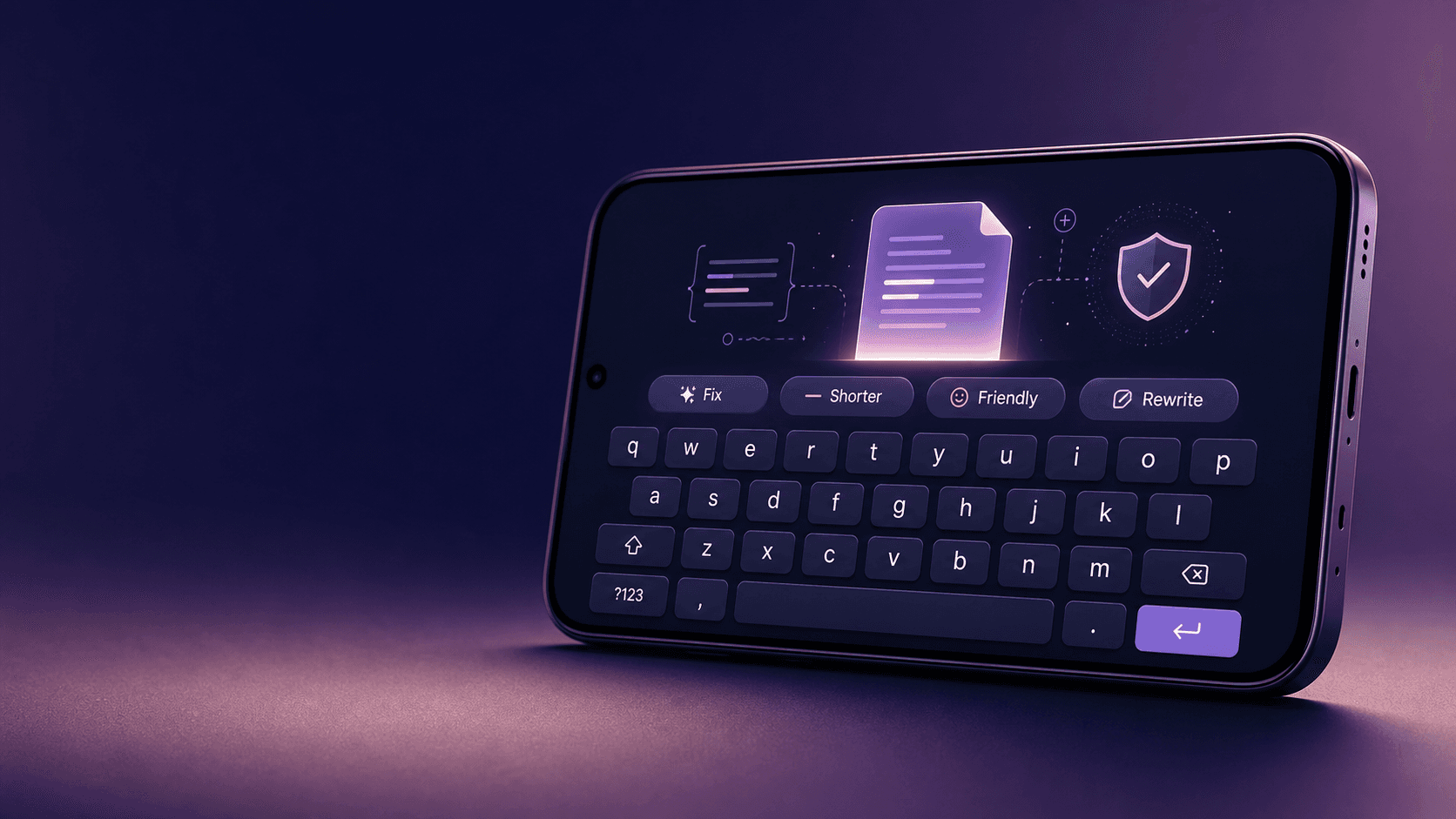
Building Lexora: A Privacy-First Writing Keyboard That Works Offline
Lexora is an Android keyboard that helps people improve spelling, grammar, clarity, and tone wherever they write. Here is how I built its on-device writing engine, custom keyboard, and fast Android integration without sending text to a server.
Oct 2026 · 7 min read
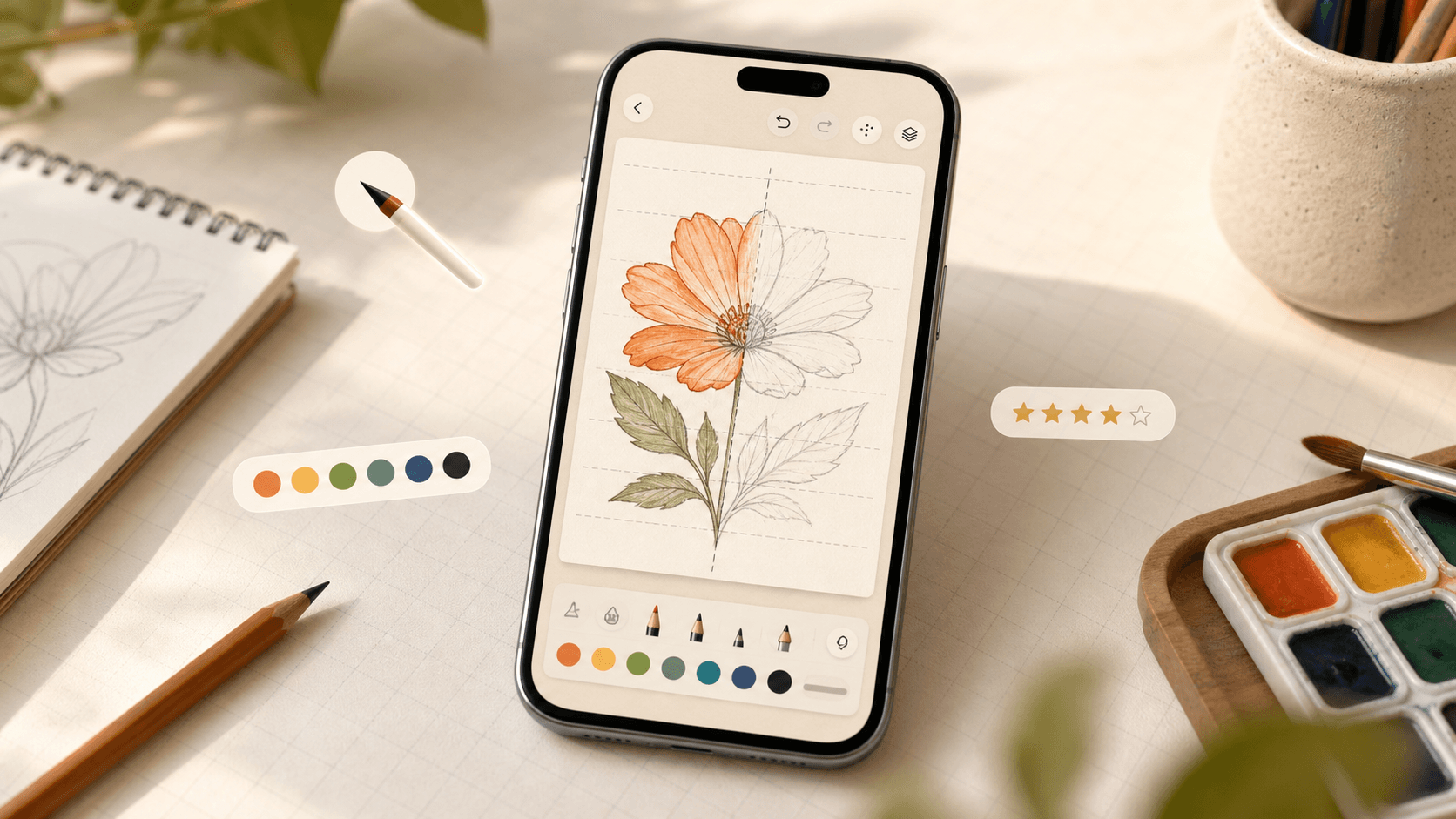
Building iDraw: A Flutter Drawing App With Lessons, a Studio, and an AI Coach
iDraw is a Flutter app I’m building to help people learn to draw — guided lessons, a freehand studio, progress tracking, and an AI coach powered by Google Gemini. Here’s the product brief and the tech behind the strokes.
Sep 2026 · 5 min read
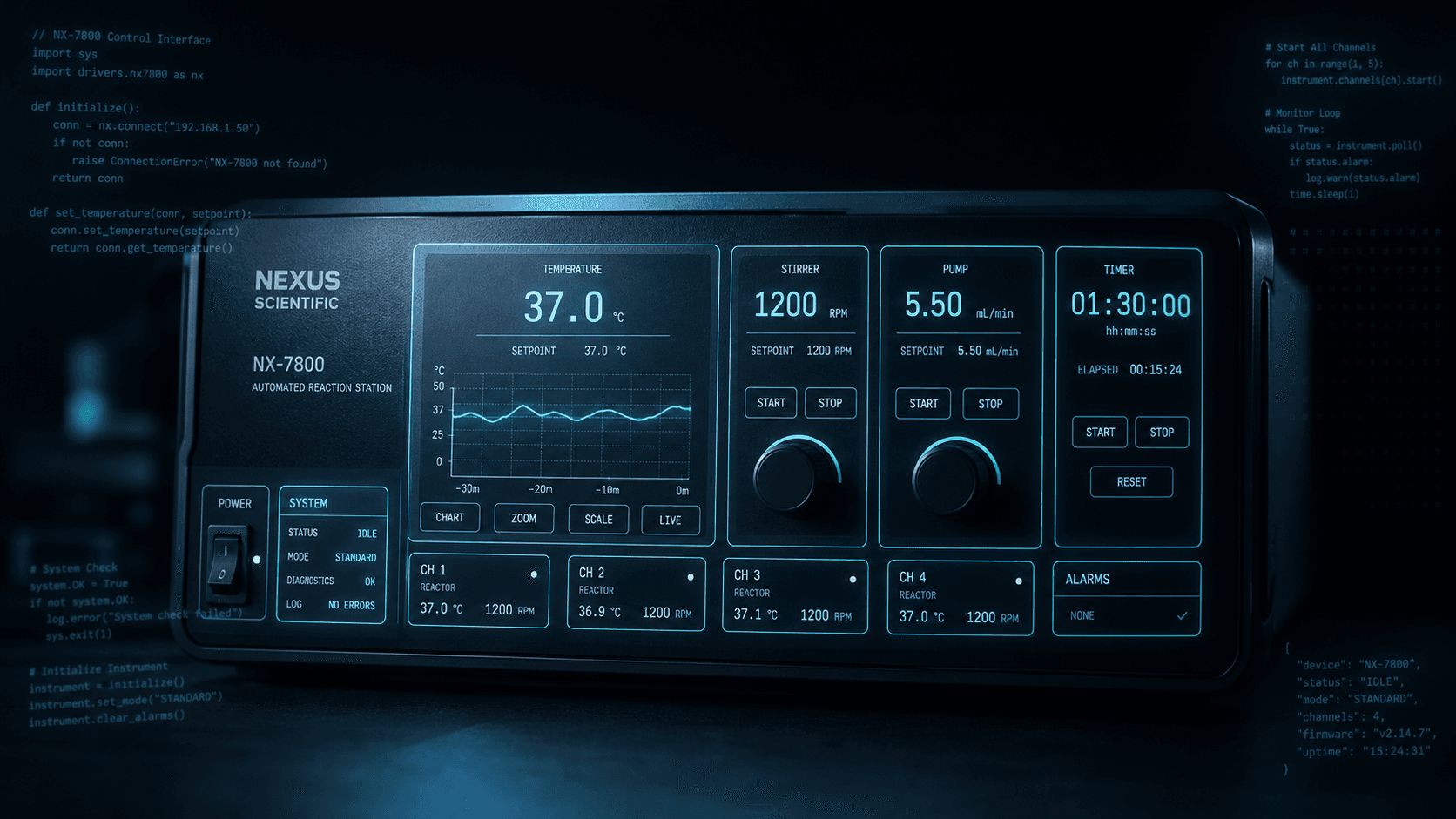
Building a scripting language for hardware panels
Rushabh's lab instruments speak in fixed-width serial strings, and every new panel meant another hardcoded Android screen. So I built a language instead: a lexer, a typed statement tree, an expression evaluator, and buttons you place on a photograph of the machine.
Aug 2026 · 7 min read
Discussion
Questions or notes. Comments live on GitHub Discussions.